
Loading...
Serving Garden Grove, CA and surrounding areas. (657) 722-4016
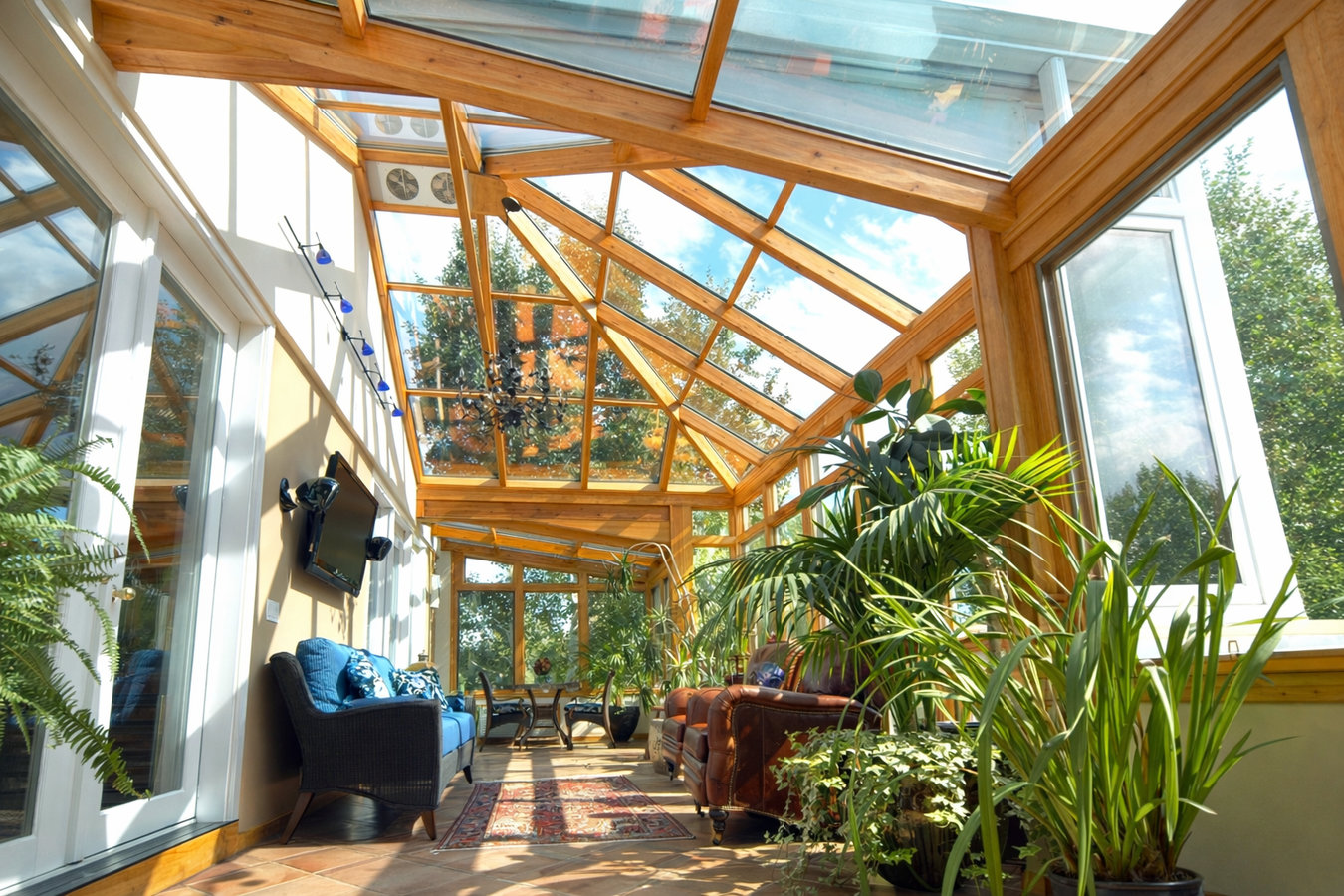
Your Garden Grove home can have a fully glazed room addition that stays comfortable in every season - with the right glass, proper permits, and a foundation built to last.
Your Garden Grove home can have a fully glazed room addition that stays comfortable in every season - with the right glass, proper permits, and a foundation built to last.
Solarium installation in Garden Grove means building a fully glazed room addition with glass or transparent panels on most surfaces - including the roof - giving you a bright, weather-protected space attached to your home. Most projects take six to ten weeks from contract to final inspection, covering foundation work, permit review, framing, and glass installation.
Unlike a standard sunroom that has solid walls with windows, a solarium brings light in from every direction. The result is a space that feels like the outdoors while staying sheltered from Garden Grove heat, Santa Ana winds, and the occasional heavy winter rain. Most homeowners we work with are replacing an open patio, an outdated screen enclosure, or an unpermitted addition that has been causing headaches. If you want a space that is enclosed but not fully glazed, our patio cover installation service is a simpler starting point worth comparing.
Every solarium we build in Garden Grove goes through the city permit process. The Community Development Department requires plan review and a final inspection before the addition is considered complete and legal. We manage that process on your behalf - from the initial application through the inspection sign-off.
In Garden Grove, afternoon sun on a west-facing patio can make outdoor sitting nearly impossible from May through October. The intensity builds throughout the day and the heat lingers into the evening. A solarium with heat-managing glass gives you that space back - protected from direct sun intensity but still fully bathed in natural light - turning a patio you avoid into one you use every morning.
Many Garden Grove homes were built in the postwar era with square footage that reflected the living standards of that time. If your family has outgrown the interior space but you are not ready to sell and move, a solarium adds a bright, permanently usable room without the full cost and disruption of a conventional structural addition. You gain real square footage that counts toward your home value.
If you are using a covered patio or older screen porch that leaks, lets insects through, or becomes miserable during Santa Ana wind events, you already know what a properly sealed space would be worth. A solarium built to current standards seals cleanly against your home and stays comfortable even when the winds outside are gusting. You stop losing use of the space every October when wind season begins.
Unpermitted structures are common in older Garden Grove neighborhoods, and they create real headaches during refinancing or a home sale. If you have an enclosure that was built without permits and you are thinking about replacing it, doing so with a properly permitted solarium resolves the compliance issue and gives you a higher-quality space at the same time. You end the situation cleanly rather than patching it.
Solarium projects differ significantly depending on the scale, the condition of your existing outdoor space, and how much natural light management the design needs. Smaller prefabricated units assembled on an existing slab are a practical choice for homeowners who want to move quickly and keep costs contained. Fully custom solariums designed to match your home's roofline and proportions take longer and cost more, but they produce a result that looks like it was always part of the house rather than added to it. For homeowners weighing how much glass coverage they actually want, our custom sunrooms page covers designs that mix solid walls with large windows - a middle path between a traditional sunroom and a full solarium.
Whatever approach fits your home, we handle the full scope. That includes assessing your existing foundation, preparing and submitting the permit application to Garden Grove, selecting glass that meets California energy efficiency requirements, framing the structure, installing roof panels and doors, and managing the city inspection at the end. If your existing slab needs repair or replacement before framing begins, we address that as part of the project rather than asking you to coordinate a separate contractor.
Suits homeowners who want a clean, cost-effective result quickly and have a straightforward site with an existing slab in good condition.
Suits homeowners who want the addition to match their home's style, roofline, and proportions - with full control over glass type, door placement, and finishes.
Suits homeowners whose existing patio slab is cracked, too thin, or not suitable to build on - often combined with a full solarium installation as a single coordinated project.
Suits homeowners replacing an unpermitted patio structure or aging enclosure who want to resolve the compliance issue and upgrade the quality of the space at the same time.
Garden Grove averages more than 280 sunny days per year - which sounds ideal, but also means intense heat management is not optional in a solarium design here. Standard clear glass turns a solarium into an oven by late morning on a summer day. Contractors who work regularly in Southern California know to prioritize heat-reducing glass from the start rather than treating it as an upgrade. The same sunshine that makes a well-designed solarium a pleasure to use all year is what makes a poorly designed one unusable by 10 a.m. in July. California energy efficiency requirements for new room additions actually work in your favor here, since they push contractors toward better-performing glass that also happens to keep the space more comfortable.
The postwar housing stock that fills most Garden Grove neighborhoods also shapes how solarium projects are planned. Homes built in the 1950s through 1970s often have existing concrete patios in varying condition, and the exterior walls - usually stucco over wood framing - need careful evaluation before a new structure is attached. Many homeowners in Westminster and Fountain Valley come to us with the same questions Garden Grove homeowners have - whether an old slab is still usable, how the HOA approval process works alongside the city permit, and how long the project realistically takes from first call to move-in.
We respond to every inquiry within one business day. The first conversation covers your intended use of the space, the size you have in mind, and whether you have an HOA - information that shapes the project timeline from the start. No pressure, no commitment at this stage.
We visit your home to measure the space, check your existing slab and exterior wall, and discuss glass options and roof styles. You leave this meeting with a written proposal that covers materials, labor, permit fees, and a realistic timeline - not a ballpark that shifts later.
After you sign a contract, we prepare and submit the permit application to Garden Grove. If your neighborhood has an HOA, we help you prepare the materials for that submission as well. Permit review typically runs two to six weeks - this phase runs in the background while we finalize materials and schedule the crew.
Once permits are approved, construction begins - typically one to three weeks depending on the project size. When the work is complete, we schedule the city inspection, attend with the crew, and walk you through the finished space. You get a signed-off permit and a solarium ready to use.
Free on-site estimate. We handle the permits. No pressure, no obligation.
(657) 722-4016We prepare and submit the permit application to Garden Grove, coordinate with the city through the review process, and attend the final inspection with the crew. You do not need to track down city forms, follow up on review status, or be present for every city touchpoint. An unpermitted addition is a liability - a permitted one is an asset.
Choosing glass for a Garden Grove solarium requires understanding how our local sun angle, heat load, and seasonal wind patterns interact with different panel types. We specify glass options that are rated by the National Fenestration Rating Council for heat performance so you have a verifiable standard to compare, not just a contractor telling you the glass is "good for California."
Solarium projects in Garden Grove often involve older concrete slabs from 1950s and 1960s construction. We evaluate every slab during the initial site visit and include any needed foundation work in the written estimate. You know the full cost before work begins - not partway through when there is no easy way out.
California requires all new room additions - including solariums - to meet energy performance standards. We design every project to meet those requirements from the start, which means the glass and insulation we specify tend to make the space more comfortable and less expensive to heat and cool. You do not have to worry about a failed inspection or going back to upgrade materials after the fact. More on those standards is available through the California Energy Commission.
Every solarium we build in Garden Grove is a permanent, permitted structure that adds documented square footage to your home. We work in this area regularly, which means we understand the permit timelines, the housing stock, and the climate conditions that shape every project.
A lighter-touch outdoor upgrade - permanent shade and weather protection without the full glazed enclosure of a solarium.
Learn MoreSolid walls with large windows rather than full glass panels - a middle option between a traditional sunroom and a solarium.
Learn MorePermit slots fill fast - locking in your project now means you are enjoying your new space before next summer.