
Loading...
Serving Garden Grove, CA and surrounding areas. (657) 722-4016
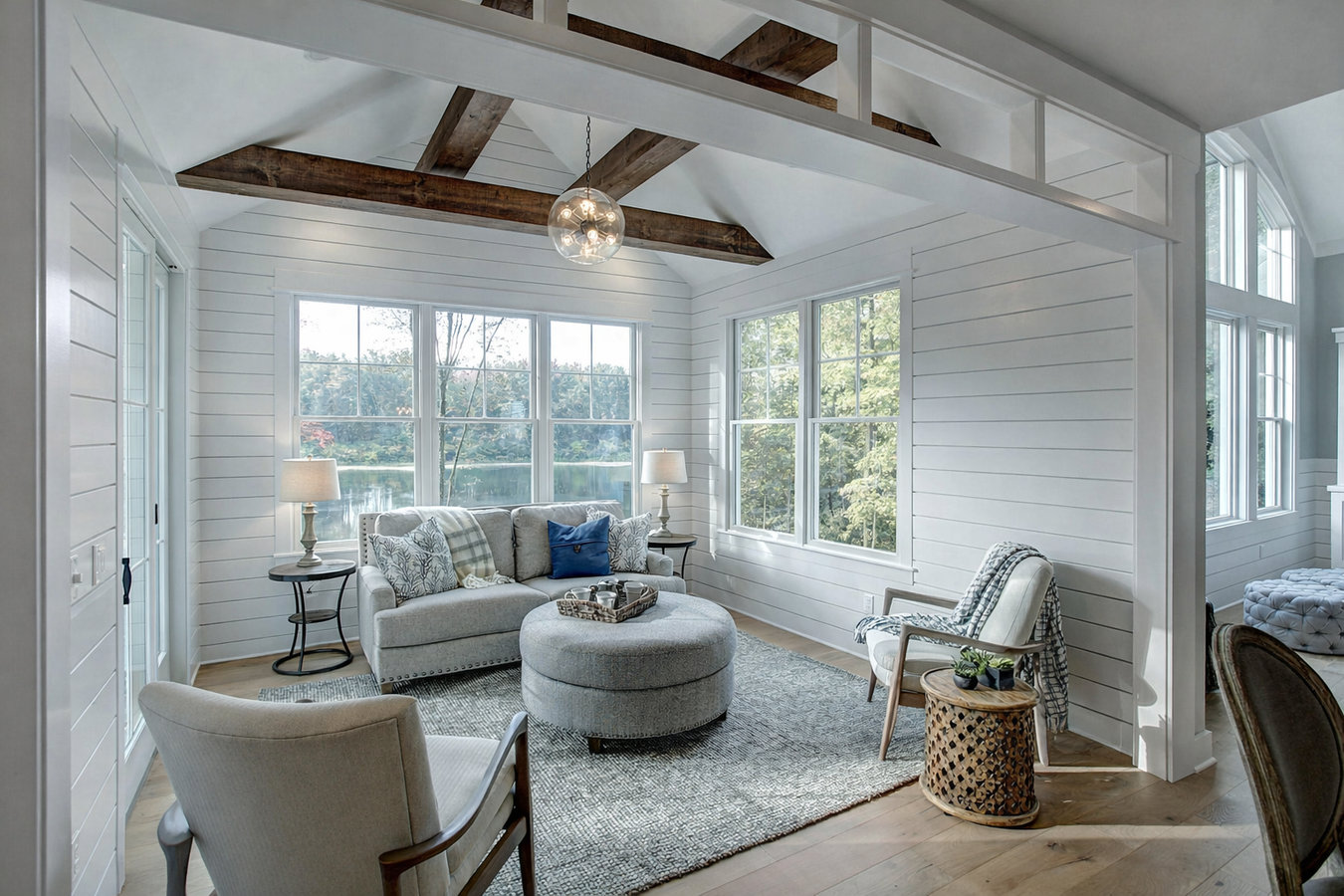
You want a sunroom that works in Garden Grove summers, fits your home, and passes permits - we design it right the first time.
You want a sunroom that works in Garden Grove summers, fits your home, and passes permits - we design it right the first time.
Sunroom design in Garden Grove means planning every detail before a single permit is filed - sun orientation, glass type, roofline, foundation attachment, and how the finished room connects to your house. Most projects run ten to twenty weeks from first conversation to final inspection, with the design and permit phase making up much of that timeline.
Getting the design right matters more here than in most parts of the country. Garden Grove sits in Orange County where afternoon sun is intense from late spring through early fall, and a sunroom that faces the wrong direction without the right glass will be uncomfortable to use for months at a time. The design phase is where that problem gets solved - before concrete gets poured. Homeowners who want something fully tailored to their layout and lifestyle often find our custom sunrooms service covers the full build from the same starting point.
Every sunroom we design in Garden Grove goes through the city permit process. That means reviewed plans, staged inspections, and a final sign-off from the city - so the addition is on the record as a legal, inspected part of your home. If your neighborhood is governed by an HOA, we prepare the architectural review package for that too.
If you enjoy your Garden Grove backyard in the early hours but retreat inside once the sun angles in, a sunroom is designed exactly for that gap. Garden Grove afternoons from June through September can push into the 90s, and a well-designed sunroom with the right glass manages that heat while keeping the light. A patio that sits empty all afternoon is the clearest sign a design consultation is worth your time.
If you turn on lights during the day because your interior feels dim, a sunroom added to the back of your home brings in a whole room of natural light. Unlike a skylight or enlarged window, a sunroom gives you a usable space that also changes how the rest of your home feels. Because it sits at the back, you gain brightness without giving up street-side privacy.
Many Garden Grove homeowners have a patio cover or pergola that works well in spring and fall but becomes too hot to use from June onward. If your covered patio sits empty during the warmest months, a sunroom with properly specified glass and ventilation can reclaim that space. Good design makes it comfortable even on days when the temperature climbs into the 90s.
In Orange County's competitive real estate market, indoor-outdoor living space is a genuine selling point for buyers. A permitted, well-integrated sunroom adds usable square footage that shows up on a listing and resonates with buyers who value that lifestyle. Getting the design right - so the addition looks like it belongs to the house - is what separates an asset from an afterthought at the negotiating table.
Our design process starts with a site visit - not a brochure. We look at your lot, note which direction your backyard faces, check the existing foundation or patio slab, and talk about how you plan to use the space. Sun orientation is one of the first decisions we work through because it shapes every choice that follows. From there we develop a design proposal that covers the room's size, roofline, window placement, and how the structure ties into your home's exterior. For homeowners who want a fully enclosed, climate-controlled addition, we can take the design directly into vinyl sunrooms construction, which brings the design to life with a low-maintenance frame and insulated glass panels suited to Garden Grove's climate. Homeowners who want a completely one-of-a-kind room built around their home's architecture will find the same attention to detail in our custom sunrooms service, where every element is specified from scratch.
Once the design is agreed, we handle the permit package for the City of Garden Grove's Building and Safety Division - including plans, energy compliance documentation, and permit fee submission. If your home is in an HOA, we prepare the architectural review drawings separately. We coordinate both tracks so you are not managing two approval processes on your own.
Suits homeowners who want to understand what is possible on their specific lot before committing to a design or budget.
Suits homeowners ready to move forward who need permit-ready drawings and a written scope before construction starts.
Suits homeowners in Garden Grove HOA communities who need a complete submission prepared for their association's review board.
Suits homeowners who want one contractor managing every stage - from first sketch to final city inspection - without handoffs between firms.
Most of Garden Grove's housing was built between the 1950s and 1970s - tract homes on concrete slab foundations with stucco exteriors. Attaching a sunroom to a home this age means assessing the existing wall structure, checking that the slab can carry the addition, and accounting for decades of settling before any framing goes up. A contractor who skips that evaluation on a 60-year-old Garden Grove home is setting up problems that will show up as cracks, gaps, or water intrusion after the first winter rain. Sun orientation adds another layer: the afternoon sun in Orange County hits from the southwest at a steep angle in summer, and a design that ignores that will produce a room that is too hot to use for several months each year. The Westminster neighborhoods just west of Garden Grove share the same housing era and the same sun angles, so the design considerations carry directly across the city line.
The City of Garden Grove's permit process adds real structure to the timeline - plan review by the Building and Safety Division typically takes two to six weeks, and inspections are required at multiple stages of construction. That timeline is not a burden; it is the mechanism that protects you when you eventually sell. HOA approval is a parallel step for a significant share of Garden Grove homes, particularly in the planned subdivisions on the east side near Anaheim. Homeowners in Anaheim face the same permit and HOA considerations, and we handle both routinely. The National Association of Home Builders offers homeowner guidance on what to expect from a permitted room addition process.
We reply within one business day. The first step is a visit to your home where we walk the space, check sun exposure, and ask how you want to use the room. There is no cost and no pressure to commit.
Within one to two weeks of the site visit, we deliver a design proposal with a layout drawing and a written estimate that itemizes exactly what is included. You can take your time comparing it before deciding anything.
Once you sign, we submit the permit application to the City of Garden Grove and prepare your HOA package if needed. Plan review typically takes two to six weeks - we track the status and keep you updated so you never have to chase the city yourself.
With permits in hand, construction begins. City inspections happen at set stages - that is normal and expected. When the final inspection closes, we walk through the finished room with you and hand over your warranty documents and permit records.
We reply within one business day. No pressure, no sales pitch - just a straightforward conversation about what is possible on your property.
(657) 722-4016We walk your property and document which direction your backyard faces before we draw anything. That single step prevents the most common sunroom complaint in Garden Grove - a room that is too hot to use in summer because no one thought about the afternoon sun angle during the design phase.
We prepare and submit the city permit application and the HOA architectural review package together, so both approval tracks run in parallel. You do not manage two separate processes or chase two separate boards for status updates - we do that on your behalf from contract signing through final inspection.
Every project starts with a written contract that spells out exactly what is included, what the permit fees are, and what would trigger a change in price. Surprise costs are the number one reason homeowners regret remodeling projects - a written scope eliminates that risk before anyone picks up a tool. The National Association of the Remodeling Industry recommends written contracts as a baseline protection for homeowners on any remodeling project.
Most of Garden Grove's housing stock was built in the 1950s through 1970s. Before we finalize any design for a home in that age range, we assess the existing foundation and exterior wall to confirm they can carry the addition. We identify structural issues before permits are filed - not after work has started.
Every one of these practices comes from working on Garden Grove homes specifically. The permit process, the sun angles, the older foundations - these are conditions we deal with on every local project, and they shape how we design from the first site visit forward.
Turn your sunroom design into a built room with low-maintenance vinyl framing and insulated glass panels made for Garden Grove's climate.
Learn MoreEvery detail specified from scratch - roofline, glass, layout, and finishes - built to match your home's existing architecture exactly.
Learn MoreOur schedule fills up heading into fall - reach out now to get your design and permit process started before the busy season.