
Loading...
Serving Garden Grove, CA and surrounding areas. (657) 722-4016
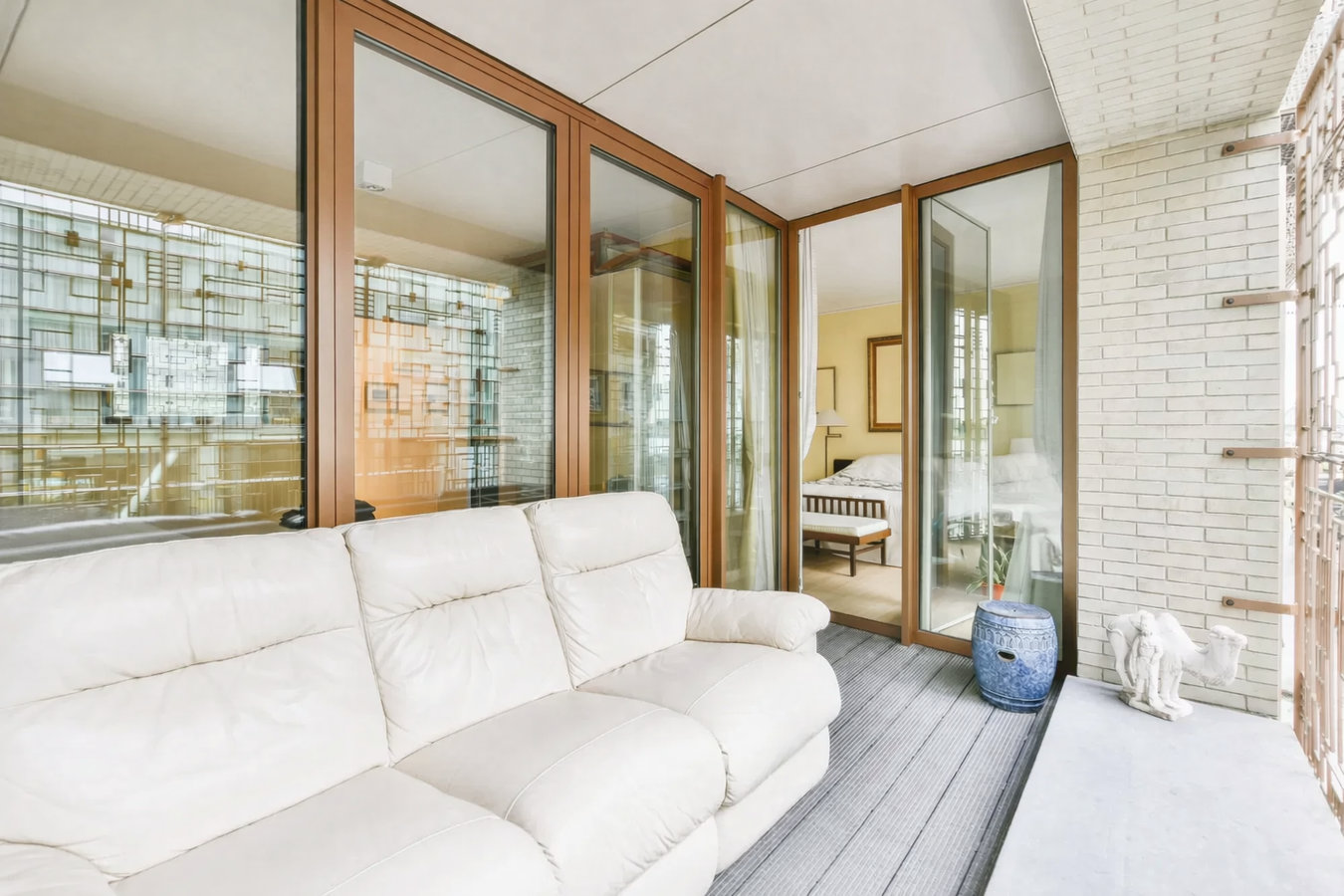
Your backyard should be usable even when it is 92 degrees outside - a vinyl sunroom with the right glass makes that possible year-round.
Your backyard should be usable even when it is 92 degrees outside - a vinyl sunroom with the right glass makes that possible year-round.
A vinyl sunroom in Garden Grove is a fully enclosed room addition built with a vinyl frame and insulated glass panels on most walls - giving you a weather-protected, comfortable space connected to your home that you can use almost every day of the year. Most installations take three to seven days of active work once permits are in hand, with the full process from first call to final inspection typically running six to twelve weeks.
Vinyl is a practical frame choice for this area because it does not rot, rust, or need painting - and it holds up well against the marine layer moisture that rolls in from the coast most mornings from May through July. The bigger variable is glass: standard panels will turn a sunroom into a greenhouse in Orange County's summer sun, while insulated glass with a low-emissivity coating blocks heat without blocking light. Getting that choice right is part of the conversation we have before anything is ordered. Homeowners who want to start with a thorough design before committing to materials will find a clear path through our sunroom additions service, which covers the full range of construction types for new attached rooms.
Every vinyl sunroom we install in Garden Grove is permitted through the city's Building Division. We prepare the plans, submit the application, and schedule the required inspections. If your neighborhood has an HOA, we handle the architectural review package as well. A permitted sunroom is a legal part of your home - and that matters when you refinance or sell.
If your Garden Grove backyard is genuinely uncomfortable from mid-morning through early evening for most of the year, that is the core problem a vinyl sunroom solves. West-facing patios in particular catch intense afternoon sun from spring through fall. An enclosed sunroom with heat-blocking glass turns that unusable exposure into a comfortable, shaded space that connects directly to your home's interior.
Garden Grove's proximity to the coast means the marine layer fog rolls in most evenings from May through July, bringing damp chill and mosquitoes that end backyard time fast. An enclosed vinyl sunroom lets you stay outside in the evening without the fog, the moisture, or the bugs. If you have noticed this pattern and found yourself retreating inside earlier than you would like, a sunroom changes that routine entirely.
Many Garden Grove homes have aluminum patio covers or screen enclosures installed in the 1980s and 1990s that are now rusting, sagging, or leaking. If your existing structure is at that point, replacing it with a properly built vinyl sunroom rather than patching it again is a better long-term use of money. A new permitted structure lasts decades with minimal upkeep - very different from a cycle of patch repairs on aging aluminum.
If your family has outgrown its current floor plan but a full structural room addition feels financially out of reach, a vinyl sunroom is often the more affordable path to new usable square footage. It gives you a flexible bonus room - for working from home, reading, or gathering - that adapts as your family's needs change. Garden Grove homeowners have been using sunrooms this way for decades, and the use case remains one of the most practical reasons to build.
We build vinyl sunrooms in Garden Grove from estimate to final inspection - one contractor managing every phase without handoffs between firms. The process starts with a site visit where we measure the space, assess your existing foundation or patio slab, and confirm the installation conditions. Foundation condition is a detail that matters more in Garden Grove than in many areas: most homes here were built in the 1950s through 1970s, and the concrete slabs from that era vary significantly in their ability to support a permanent enclosed structure. We identify issues before they become costly mid-project surprises. For homeowners who want to branch from vinyl into a more fully customized approach, our sunroom additions service covers a broader range of materials and construction methods suited to different budgets and lot conditions. Homeowners considering a lighter, more budget-friendly seasonal option may want to compare our three season sunrooms as well, which offer enclosure without the full insulation package of a year-round vinyl build.
Glass selection is where we spend the most time with homeowners before anything is ordered. The difference between standard glass and insulated low-emissivity panels is significant in Garden Grove's summer climate, and we walk through the tradeoffs in terms of how the room will actually feel in use - not just in technical specifications. Once materials are chosen, we submit the permit application to the Garden Grove Building Division and prepare any HOA documentation needed. Installation typically takes three to seven days, with city inspections built into the schedule as a normal part of the process.
Suits homeowners who want an enclosed, weather-protected space for most of the year at a lower upfront cost, without a full insulation and heating package.
Suits homeowners who want a fully climate-controlled room they can use comfortably every month of the year, including Garden Grove's hottest summer afternoons.
Suits homeowners with a patio slab already in place that passes our foundation assessment - often the fastest path to a finished sunroom.
Suits homeowners whose existing patio surface is inadequate or absent, where we pour a new concrete slab as part of the project before framing begins.
Garden Grove sits in Orange County's inland coastal zone - close enough to the Pacific that morning marine layer is a regular occurrence from May through July, but far enough inland that summer afternoons regularly push into the high 80s and 90s. That combination creates two distinct challenges for a vinyl sunroom: moisture infiltration at the seams from the marine layer, and solar heat gain from the afternoon sun. Both are manageable with the right materials and installation detail, but both are routinely underestimated by contractors who do not work in this specific climate. Low-emissivity glass panels - the type that block heat while letting light through - make a meaningful difference in how the room feels on a 90-degree afternoon. Tight weatherproofing at every seam and the roof-to-wall connection prevents moisture from working its way in over time. We work in Huntington Beach regularly, where coastal conditions are even more pronounced, and the same standards we apply there carry directly into Garden Grove projects.
The housing stock in Garden Grove adds another layer of complexity. A large share of homes here were built in the 1950s through 1970s, and the concrete slabs and patio foundations from that era vary widely in their condition. Before we build anything, we assess the existing foundation and tell you honestly whether it can support the sunroom as-is or needs reinforcement. That step protects you from the most common mid-project surprise. The Westminster neighborhoods immediately west of Garden Grove share the same housing age and the same foundation considerations, so our experience on those projects applies directly here. For further reading on energy-efficient glass options for Southern California homes, the U.S. Department of Energy publishes straightforward guidance on window and glazing performance that is worth reviewing before you choose glass panels.
We reply within one business day. The estimate visit covers measuring the space, assessing your existing slab or foundation, and talking through size, glass, and layout options. You leave with a clear picture of what is realistic for your property.
Within a few days of the site visit, you receive a written quote that breaks down exactly what is included. We walk through glass options at this stage so the final price reflects the specific panels your project needs - not a ballpark that changes later.
Once you sign, we submit the permit application to the Garden Grove Building Division and prepare your HOA package if applicable. Plan review typically takes two to four weeks. We track the status and update you - you do not need to follow up with the city yourself.
Installation runs three to seven days. A city inspector checks the work at required stages - a normal part of the permitted process. When the final inspection closes, we walk through the room with you, show you how windows and vents operate, and hand over your permit records and warranty documents.
We reply within one business day and visit your property before quoting - no ballpark numbers over the phone, no surprises later.
(657) 722-4016We inspect your existing slab or patio foundation during the estimate visit and tell you upfront if additional work is needed before framing begins. Older Garden Grove slabs from the 1950s through 1970s sometimes require reinforcement - catching that before the contract protects you from expensive surprises mid-build. A contractor who skips this step on a 60-year-old slab is cutting the corner most likely to cost you money later.
We do not install standard single-pane glass in Garden Grove and call it done. We walk every homeowner through insulated low-emissivity options and explain in plain terms how each choice will affect how the room feels in July. The Sunroom, Sunspace and Outdoor Living Association sets industry standards for sunroom construction that we follow on every project, including glass performance requirements for warm climates.
We submit the city permit application and the HOA architectural review package together so both tracks run in parallel. You do not manage two separate approval processes or chase two boards for status. From contract signing through final inspection, permit coordination is our responsibility - not yours.
Because we assess your foundation and walk through material choices before quoting, we can give you a written price that reflects your actual project - not a low number designed to get you to sign and then grow. Every contract spells out exactly what is included, what the permit fees are, and what would trigger a legitimate change in scope. You know what you are paying before anyone picks up a tool.
These practices reflect what we have learned working specifically in Garden Grove and Orange County - the climate, the housing age, the permit process, and the HOA landscape. They are not generic promises; they are the specific things that make the difference between a project that goes smoothly and one that does not.
Explore the full range of sunroom addition types - from prefabricated kits to fully custom builds - to find the right fit for your Garden Grove home.
Learn MoreA lighter, more affordable enclosure option for homeowners who want weather protection without the full insulation package of a year-round vinyl room.
Learn MorePermit slots with Garden Grove's Building Division fill up - the sooner we submit your plans, the sooner you are in your new room.